
Short term gain, long term pain
It clearly serves the best interests of policyholders (consumers), lenders, and our economy generally when property insurance policies cover the cost of replacing destroyed homes and restoring damaged homes to pre-loss condition with as little additional financial burden on the policyholder (beyond the premium they paid) as feasible. United Policyholders has seen firsthand, over our 35 years of experience, that Replacement Cost Value (RCV) coverage makes a huge positive difference in a disaster survivor’s ability to restore their assets and regain financial health. By contrast, Actual Cash Value (ACV) coverage requires the property owner to either come up with a large amount of cash and/or go into debt to fill their large coverage gaps.
So we were not happy to learn that our nation’s Federal Housing Finance Agency (FHFA) just weakened a rule that required Fannie Mae and Freddie Mac to require RCV coverage on the homes in their mortgage portfolios, including their roofs.
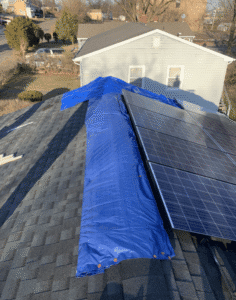 Restoring the structural integrity and water resistance of a roof is critical to preventing future damage and preserving the value of the property (and mortgage collateral). Yes, we want consumers to be able to afford home insurance. But the value of buying home insurance is having funds available to restore your assets if they’re damaged or destroyed. We knew that the American Property and Casualty Insurance Assocation were lobbying FHFA to weaken the rule, and United Policyholders encouraged FHFA to hold firm and retain the RCV rule as an aspirational standard. We certainly recognize that with premiums rising so sharply, consumers are desperate for ways to keep coverage affordable. We knew the Florida Legislature undid a previous law to specifically allow ACV only coverage on roofs in that state, but we’re not in favor of shifting more risk onto homeowners, or public policies that are likely to do more harm than good in the long run.
That said, the new rule could have been worse. It only authorizes ACV coverage on roofs. Other components of the home still need to be insured for RCV. In sum, we see this as a shortsighted political solution to the affordability problem that in truth requires a much more robust solution.
Restoring and increasing Federal and State funding for risk reduction and establishing a “US Re” federal reinsurance program such as was proposed earlier this week by economists with the Brookings Institution, or some version of Senator Adam Schiff’s INSURE Act could bring the premium relief that homeowners need without leaving them more financially exposed, as this rule change will do.