
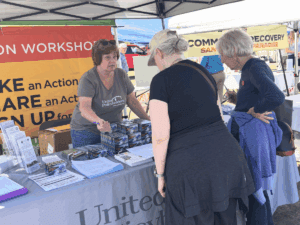
UP staff and volunteers attend preparedness fairs giving people the straight scoop on what matters after a loss and what to do if you are dropped by your insurer.
As we wrap up National Preparedness Month, take a moment to prepare for what happens after a disaster.
With insurance premiums rising to all-time highs, and coverage disputes in the news, many people are questioning whether it’s worth buying. But here’s a reality check from the Los Angeles wildfires and our 34 years of helping people collect what they’re owed…
Without insurance, you’re on your own to pay for repairing, rebuilding and restoring your assets. A few reminders:
Insurance is still far and away the #1 source of funds for repairing, rebuilding and getting back home after a disaster. Yes there are government and charitable aid programs, but they don’t come close to providing what you’ll need.
- FEMA can help if the disaster is federally-declared, but max repair/rebuild assistance grants to individuals are under $50k.
- Small Business Administration offers low interest loans up to to $250,000 but they need to be repaid.
- Charitable aid covers basic needs like food and temporary shelter, there are very limited free rebuilds or repairs available.
Through our Roadmap to Preparedness program, UP is helping people all over the country stay insured in these challenging times. At public events, through the media, our website, print publications and our partnerships, UP is sharing the straight scoop on being prepared to be resilient and recover if disaster strikes. We’re on track to do 100+ presentations in 2025. One of our main messages is the new normal means having to pay more attention (and more money) for insurance.
We know rising insurance costs hurt and it’s tempting to drop coverage if you own your home free and clear, or to drop optional coverages such as flood or earthquake coverage. But remember, insurers excluded these two types of damage in basic policies because they can cause expensive damage, so they sell those produccts separately for an additional premium. Insurers didn’t want that financial risk, do you?
Ask yourself:
- Where would you get the money to repair/rebuild after a catastrophic flood or earthquake?
- Where would you live while you figure out how to rebuild/repair your home?
- If you are a homeowner, how would you repair the damage?
Whether you’re a renter or a property owner, if you want to fill those gaps in coverage and protect your home we urge you to take the first step and get a quote.
Flood Insurance Resources:
- Take this quiz to test your knowledge on why type of insurance covers what type of water damage.
- The National Flood Insurance Program (NFIP) has recently made it easy get a quote with a new online tool: www.floodsmart.gov/policy-
quote
- Remember, Flood damage to your car is covered under comprehensive coverage – you may need to add that coverage to your auto policy if you want to protect your vehicles from damage caused by natural disasters.
Earthquake Insurance Resources:
- The California Earthquake Authority also offers an online quote tool: www.earthquakeauthority.com
- Earthquakes don’t just happen in California, visit www.uphelp.org/eq for resources in other earthquake-prone states
- Sign up for the Great Shakeout ~ a National Earthquake Drill coming up on October 16th, 2025
Get quotes from private flood or earthquake insurance companies and be sure to compare not only cost, but coverage too.
If you choose not to add flood or earthquake coverage, we recommend you invest in “hardening” your home to make it less vulnerable to damage. Check out this website for suggestions and leads.